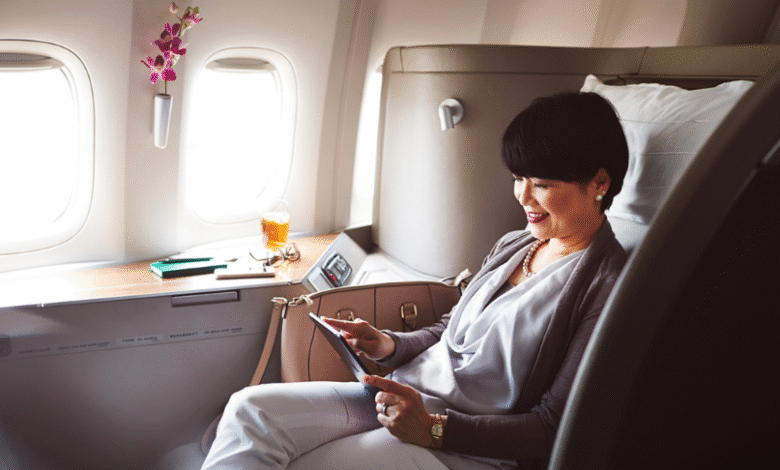
The allure of premium air travel has captivated travelers for decades, representing not merely transportation but an experience that transforms long-haul journeys into comfortable, productive, or restful interludes. For international routes spanning continents and time zones, the difference between economy and premium cabins becomes dramatically apparent, affecting everything from arrival energy levels to overall trip satisfaction. Understanding how to access these elevated experiences without prohibitive costs opens worlds of comfort previously assumed beyond reach for many travelers.
The evolution of premium cabin offerings has created sophisticated products delivering genuine value beyond simple luxury positioning. Modern lie-flat seats, gourmet dining, lounge access, and priority services combine to create experiences justifying price premiums for those who can access them strategically. When travelers consider a business class flight, they’re investing in comfort, productivity, and well-being throughout journeys that might otherwise prove exhausting and uncomfortable, particularly on routes exceeding ten or twelve hours in duration.
Premium cabin travel has democratized considerably from the exclusive domain of corporate executives with unlimited expense accounts to accessible options for strategic leisure travelers, frequent flyer program members, and those willing to invest in comfort for special occasions. This transformation stems from increased competition, expanded route networks, sophisticated revenue management creating occasional opportunities for exceptional deals, and proliferation of credit card rewards programs making premium redemptions achievable. Understanding these dynamics empowers travelers to experience elevated travel without necessarily possessing unlimited budgets.
Understanding Premium Cabin Categories and Offerings
Airlines segment premium seating into multiple categories beyond simple business versus economy dichotomy. Premium economy represents entry-level upgrades offering enhanced seat pitch, width, and recline with upgraded meals and priority boarding at price points between standard economy and traditional business class. While not delivering lie-flat capabilities, premium economy provides meaningful comfort improvements particularly valuable on daytime flights or for travelers who don’t fully recline.
Traditional business class delivers the quintessential premium experience with lie-flat seats converting into comfortable beds, direct aisle access in modern configurations, substantial personal space, gourmet multi-course dining, premium beverages, amenity kits, and priority services throughout travel journeys. Seat configurations vary from older angled-flat designs to modern fully-flat options, with newer aircraft featuring direct aisle access for every passenger through sophisticated 1-2-1 or similar arrangements maximizing privacy and convenience.
First class represents ultimate luxury with even more spacious suites, enhanced dining rivaling fine restaurants, premium champagne and spirits, luxury amenity kits, and sometimes unique features like onboard showers or private suites with closing doors. While incredibly appealing, first class pricing typically far exceeds business class without proportional comfort increases, making business class the optimal value proposition for most premium travelers seeking lie-flat comfort and elevated service without absolute top-tier pricing.
Strategic Booking Approaches for Premium Cabins
Advance planning typically delivers better premium cabin pricing and availability compared to last-minute bookings, though exceptions exist when airlines discount remaining premium inventory approaching departure dates. According to the Airlines Reporting Corporation, monitoring desired routes beginning six months before travel dates establishes baseline pricing while enabling recognition of genuine deals when promotional fares appear during periodic sales campaigns.
Flexibility regarding travel dates dramatically improves both pricing and availability opportunities. Premium cabin inventory allocated to discounted fares varies significantly between flights on the same routes, with certain days consistently offering better values. Mid-week departures and off-peak seasons typically present optimal opportunities for reasonable premium pricing, while weekend flights and holiday periods command substantial premiums reflecting elevated demand from both leisure and business travelers.
Shoulder season travel delivers dual benefits of reduced pricing and less crowded flights, with spring and fall periods often providing excellent weather conditions at destinations while avoiding peak summer or winter holiday pricing. This strategy proves particularly effective for leisure travelers with schedule flexibility who can time trips around school calendars and major holiday periods that concentrate travel demand.
Error fares and flash sales create occasional opportunities for dramatic savings when airlines or booking systems temporarily misprice routes. Monitoring deal-focused websites, email newsletters, and social media accounts from airlines and travel deal curators helps capture these brief windows, though successful booking requires decisive action as opportunities typically disappear within hours once discovered by deal-hunting communities.
See also: Top 3 Brussels Travel Attractions Nobody Should Miss
Maximizing Frequent Flyer Programs and Alliance Benefits
Airline loyalty programs provide perhaps the most powerful mechanism for accessing premium cabins at reasonable costs through accumulated miles and points. Strategic program engagement through consistent airline selection, co-branded credit cards, and program partnerships enables accumulation of sufficient miles for premium redemptions that would cost thousands of dollars when purchased with cash. Business class awards typically require substantially fewer miles than cash prices would suggest, representing exceptional redemption value.
Transfer partnerships between credit card rewards programs and airline frequent flyer programs create flexibility directing points toward optimal redemption opportunities. Cards offering transferable points to multiple airline partners enable strategic evaluation of which programs offer best availability and value for specific desired routes and dates. Understanding transfer ratios, program sweet spots, and booking rules across various partners maximizes accumulated point values.
Elite status benefits extend beyond complimentary upgrades to include priority services, bonus miles earning, waived fees, and enhanced award availability. For travelers flying consistently with specific carriers or alliances, status qualification delivers returns justifying loyalty consolidation even when absolute cheapest fares exist on alternative airlines. Upgrade opportunities from economy to business using miles, certificates, or operational upgrades particularly benefit status holders.
Alliance memberships enable earning and redeeming across multiple carriers, expanding options for both flights and redemptions beyond single airlines. Star Alliance, Oneworld, and SkyTeam partnerships mean miles accumulated on domestic carriers can fund premium international flights on alliance partners, dramatically expanding utility of loyalty program participation.
Credit Card Strategies for Premium Travel Access
Travel rewards credit cards have revolutionized access to premium cabins through generous sign-up bonuses, accelerated earning on travel and dining purchases, and valuable ancillary benefits including lounge access, travel credits, and insurance coverage. Cards offering 60,000 to 100,000 point sign-up bonuses after meeting spending requirements provide substantial head starts toward premium redemptions, sometimes sufficient for roundtrip business class tickets after single card openings.
Co-branded airline cards deliver benefits specific to particular carriers including free checked bags, priority boarding, and discounted or complimentary companion tickets. While these perks provide value for frequent travelers on specific airlines, flexible transferable points cards offer versatility appealing to travelers without single-airline loyalty or those seeking maximum redemption value across multiple programs.
Annual fee evaluation requires calculating total value received from card benefits, rewards earning, and redemptions against costs. Premium travel cards charging $450-$695 annual fees deliver sufficient value through travel credits, lounge access, elite status benefits, and accelerated earning to justify costs for travelers using benefits fully, though casual travelers might find value insufficient to warrant fees.
Strategic credit card application timing maximizes available bonuses while managing credit impacts and annual fee optimization. Spacing applications prevents excessive credit inquiries clustering in short periods while allowing management of annual fee timing. Some travelers systematically cycle through cards, capturing sign-up bonuses before closing or downgrading accounts to avoid ongoing fees when benefits no longer justify costs.
Route Selection and Carrier Comparison
Not all business class experiences are equivalent, with significant variations in seat comfort, dining quality, service standards, and overall product quality between carriers. Researching specific airlines operating desired routes helps set realistic expectations and informs value assessments when comparing pricing across carriers. Modern review platforms aggregate passenger experiences, providing insights into which carriers consistently deliver exceptional experiences versus those with outdated products or inconsistent service.
Aircraft type profoundly impacts business class experience, with modern widebody jets featuring fully-flat seats with direct aisle access representing gold standard configurations. Older aircraft might offer angled-flat seats or configurations requiring some passengers to climb over neighbors to reach aisles, significantly diminishing premium cabin value. Verifying specific aircraft types operating desired routes prevents disappointment from assuming all business class equals the modern product standard.
Middle Eastern carriers including Emirates, Qatar Airways, and Etihad have redefined business class expectations through investment in premium products, modern fleets, and service excellence. While routing through Middle Eastern hubs adds connection time for many US-origin journeys, the quality of onboard experience and often competitive pricing make these carriers attractive options for premium travelers prioritizing comfort and service quality.
Asian carriers including Singapore Airlines, ANA, Japan Airlines, and Cathay Pacific similarly earn consistent recognition for exceptional business class products combining thoughtful design, excellent service, and attention to detail creating memorable travel experiences. European and North American carriers vary more substantially in quality, with some offering world-class products while others maintain more basic business class configurations.
Leveraging Bidding Systems and Upgrade Programs
Upgrade bidding systems enable economy passengers to submit bids for business class seats if availability exists approaching departure. Airlines evaluate bids against their internal pricing models, accepting offers meeting their thresholds while providing passengers opportunities to access premium cabins at potentially substantial discounts versus published business class fares. Strategic bidding requires understanding airline patterns regarding accepted bid ranges, typically starting around 30-50% of price differences between booked and desired cabins.
Mileage upgrades using frequent flyer currency provide another mechanism for accessing premium cabins at reduced costs compared to purchasing business class directly. Many programs allow members to upgrade confirmed economy tickets using accumulated miles plus sometimes co-pays, with upgrade availability and pricing varying by fare class, route, and season. Understanding program rules and upgrade space allocation helps maximize success rates.
Operational upgrades occur when airlines need to bump passengers from economy due to overselling or operational requirements, with elite status holders receiving priority for complimentary upgrades to available premium seats. While never guaranteed and varying dramatically by route and season, operational upgrades represent pleasant surprises rewarding consistent loyalty with particular carriers.
Companion certificates offered through premium credit cards or as elite status benefits enable bringing travel partners into premium cabins at substantially reduced costs, sometimes just requiring taxes and fees. These valuable perks often justify credit card annual fees or loyalty consolidation for travelers frequently traveling with partners who would otherwise book separate economy tickets.
Understanding Pricing Dynamics and Deal Recognition
Business class ticket prices fluctuate dramatically based on route competition, seasonal demand, booking patterns, and airline revenue management strategies. Transatlantic routes typically range from $2,000-$5,000 roundtrip with significant variations based on specific city pairs, travel dates, and booking timing. Transpacific and long-haul routes to Middle East, Africa, or Asia generally command higher prices reflecting greater distances and operating costs.
Premium positioning on routes with limited competition enables airlines to maintain elevated pricing without competitive pressure forcing discounts. Conversely, heavily contested routes with multiple carriers often see aggressive pricing, particularly during fare wars or promotional periods when airlines attempt stealing market share through attractive offers. Understanding competitive dynamics on desired routes helps identify genuine opportunities versus standard pricing.
Consolidator fares through specialized agents sometimes access negotiated rates unavailable through public booking channels, particularly for international premium cabins. These specialized distributors maintain relationships with airlines, accessing inventory at negotiated prices enabling discounts to end consumers. While requiring additional research to identify reputable consolidators, savings can justify the effort for expensive premium tickets.
Mistake fares and flash sales occasionally present dramatic savings when pricing errors or aggressive promotions create opportunities for business class at fraction of typical costs. Recent examples have included roundtrip transatlantic business class under $1,000 or transpacific premium cabins at substantial discounts. Capturing these opportunities requires flexibility, decisiveness, and understanding airlines typically honor tickets purchased before errors are corrected.
Preparing for Premium Cabin Travel
Lounge access represents significant value component of premium travel, providing comfortable pre-departure environments with food, beverages, workspaces, showers, and sometimes spa services. Business class tickets generally include lounge access, though specific policies vary by airline and airport. Arriving early enough to utilize lounges maximizes value from this benefit, particularly during long international journeys where pre-flight relaxation or productivity time enhances overall experiences.
Priority services throughout travel journeys—including dedicated check-in counters, priority security screening, priority boarding, and priority baggage handling—reduce stress and time investment while providing tangible convenience benefits. These services prove particularly valuable during busy travel periods when general queues extend substantially, with premium passengers bypassing much of the waiting through expedited processing.
Onboard dining in business class typically offers multiple courses with quality rivaling upscale restaurants, extensive beverage selections including premium wines and spirits, and sometimes pre-order customization enabling preference accommodation. Understanding dining service timing and options helps maximize enjoyment while ensuring preferences are communicated effectively to crew members.
Amenity kits provided in premium cabins contain skincare products, comfort items, and sometimes high-end electronics or designer accessories. While appreciated, amenity kit value should not drive booking decisions as core comfort and service elements deliver far more significant impact on overall travel satisfaction than branded toiletry bags.
Health and Comfort Optimization
Lie-flat seating dramatically improves sleep quality during long-haul overnight flights, enabling passengers to arrive more refreshed and ready for activities compared to upright economy seating preventing proper rest. This benefit proves particularly valuable for business travelers needing to function effectively upon arrival or for beginning vacations without losing initial days to recovery from travel exhaustion.
Jet lag management improves through better sleep during flights, though strategies including light exposure management, meal timing, and hydration remain important regardless of cabin class. Premium cabin comfort facilitates these strategies through privacy, better sleeping arrangements, and attentive service supporting passenger wellbeing throughout journeys.
Cabin air quality and pressurization in modern aircraft like Boeing 787s and Airbus A350s creates more comfortable environments with higher humidity and lower equivalent altitude compared to older aircraft. While these benefits apply across all cabins, combining modern aircraft with premium seating and service maximizes comfort during extended flights when passenger wellbeing concerns intensify.
Conclusion: Strategic Access to Premium Travel
Business class represents accessible luxury for travelers understanding mechanisms for securing value through strategic booking, loyalty program engagement, credit card optimization, and market awareness. While premium cabins command substantial price premiums over economy, numerous pathways exist for accessing these elevated experiences without necessarily possessing unlimited budgets.
The transformation of long-haul international travel from endurance test to comfortable, even enjoyable experience justifies premium cabin investment for many travelers, particularly when strategic approaches minimize costs while maintaining comfort and service quality. Whether through accumulated miles, promotional fares, credit card bonuses, or simply prioritizing comfort for special occasions, premium cabin access has expanded far beyond traditional exclusive domains to become achievable aspiration for strategic travelers understanding optimization techniques delivering maximum value from premium aviation investments.