
Keeping your entire home powered during an outage requires more than simply a generator. True power resilience entails integrating smart technologies, energy storage, and dependable systems that function well when the grid fails. Whether you’re dealing with storms, blackouts, or scheduled outages, a whole-house strategy assures comfort, security, and continuity. Every component, from backup power sources to monitoring systems, contributes to reliable energy delivery. This article discusses the key components and best practices for developing robust home power resilience. If you want consistent electricity, reduced reliance on the grid, and long-term dependability, start with a system that is built to endure.
What Components Build Whole Home Power Resilience?
Reliable Backup Power Systems
Backup power systems are the foundation of household energy resiliency. Standby generators and battery backups give automatic help when the power goes out. Generators provide tremendous power output and are perfect for whole-house coverage, but they require fuel, ventilation, and regular maintenance. Battery systems are quieter, safer indoors, and compatible with solar. Select a system depending on your energy use, house size, and outage frequency. Prioritize models with automated transfer switches to ensure smooth operation. A solid backup system restores power in seconds and maintains critical loads such as refrigerators, medical equipment, and lights operational. Without this base, resilience is confined to transient solutions.
Battery Storage & Energy Management
Battery storage systems store and deliver energy from the grid or solar panels as needed. Lithium-ion and LiFePO₄ batteries lead the market due to their safety, lifespan, and efficiency. Energy management software assists in prioritizing loads, scheduling charging, and tracking use patterns. These devices can be used on their own or in conjunction with a generator to reduce fuel use and noise. Sizing your battery storage right guarantees that you can keep your basics running for hours or even days. A smart inverter works with your home panel to securely and effectively transfer electricity. When paired with load control technologies, battery storage becomes the driving force behind dependable, silent, fuel-free backup power.
Renewable Integration: Solar and Hybrid Systems
Combining your backup system with solar panels results in a hybrid solution that improves energy resilience and lowers utility bills. Solar panels provide electricity during the day and charge your battery bank, which you may then use at night or during power outages. When properly integrated, hybrid systems can function off-grid for long periods of time. Net metering and time-of-use optimization help to minimize dependency on the grid and lower power costs. Inverters and controllers guarantee that electricity is safely and efficiently transferred between sources. Solar energy is an important resilience boost for homes in sunny climates. When grid electricity is unavailable, a solar + battery combination allows you to operate cleanly, quietly, and sustainably.
What Best Practices Improve Resilience in Real Use?
Regular Testing & Maintenance Routine
A solid backup system must be tested on a regular basis in order to remain reliable. Monthly or quarterly reviews can help identify problems before they become an outage. Perform load tests to ensure performance, inspect all wiring and battery connections, and check inverter status displays. Check generator fuel levels, oil, and filters. Batteries should have a good charge and no evidence of swelling or leaking. Clean the solar panels to guarantee maximum efficiency. Schedule professional checks every year, especially for systems with important components. Keep track of tests, maintenance, and upgrades. Proactive care not only increases system life but also guarantees that you are never left in the dark when power is critical.
See also: Exploring the Future of Green Technology
Smart Controls, Monitoring, and Alerts
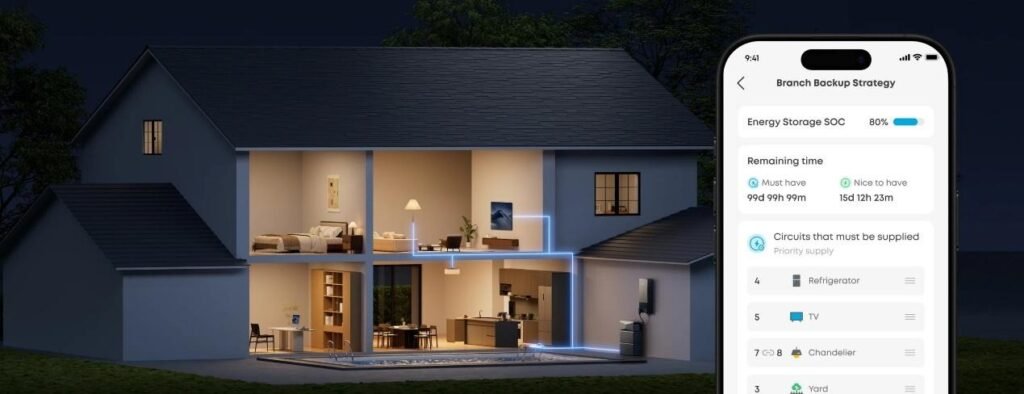
Modern backup systems contain sophisticated features that provide real-time control and visibility. Use applications or digital panels to check battery charge, measure solar input, and monitor load use. Smart systems can notify you of issues, disconnected equipment, or impending maintenance. When storage capacity is low, load prioritization technologies immediately turn down non-essential circuits. You may also schedule charging during off-peak hours or set alarms for high temperatures that could harm battery health. Remote access via Wi-Fi or Bluetooth increases flexibility and provides peace of mind. Monitoring your system actively allows you to swiftly resolve minor issues and fine-tune your configuration for long-term stability.
Safety, Permits, and Professional Support
Always adhere to safety guidelines while building or using backup systems. Generators demand outdoor installation with adequate ventilation, whereas batteries require dry, temperature-controlled interior sites. Grid-tied systems or standby generators may be subject to local rules that require permits, inspections, or professional installation. Skipping this step might result in unsafe wiring, refused insurance claims, and fire dangers. Work with specialists to ensure that transfer switches, inverters, and panels are properly sized and installed. Choose approved equipment with safety marks such as UL or CE. Also, examine the warranty conditions and make sure service support is accessible in your region. Investing in correct installation and compliance ensures your power solution is safe, legal, and future-proof.
Conclusion
Whole home power resilience doesn’t happen by accident—it comes from smart planning, the right equipment, and consistent upkeep. A reliable backup system, paired with battery backup for home use and optional solar, creates a strong foundation. Add smart monitoring, basic safety procedures, and expert supervision, and you’ve created a system that will safeguard your family throughout any outage. Whether you are dealing with frequent storms or infrequent outages, planning ahead of time ensures that you remain powered, connected, and comfortable. Use this guide to determine your home’s demands, select the appropriate components, and build a long-lasting, efficient system. With the appropriate tools in place, your house is really outage-ready.