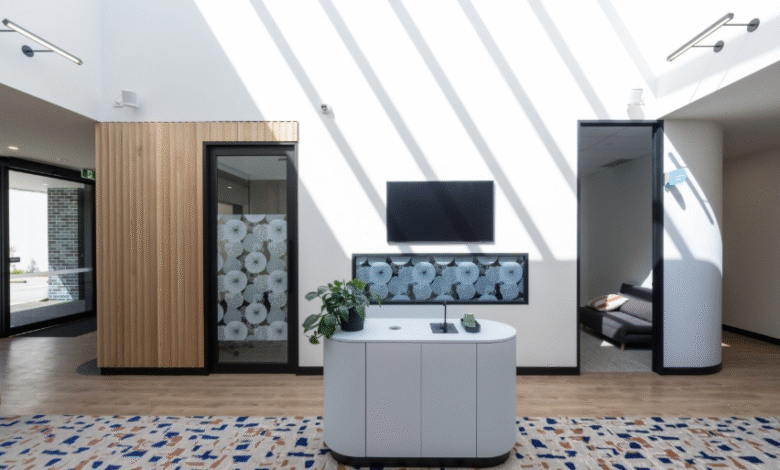
Most dentists remember the moment they first walked into their own space. Not as a patient. As the person responsible. The one who suddenly noticed where people stood awkwardly, where staff crossed paths too often, where equipment felt like it had been added rather than placed. Clinics have a way of revealing their problems quietly. In the pauses. In the congestion near sterilisation. In the way, a waiting room either settles people or winds them up.
This is usually when conversations about Dental Practice Fitouts begin. Not from a design magazine. From lived experience. From the sense that the clinic works, but it could work better. Calmer. Cleaner. Smarter.
And better doesn’t always mean bigger or flashier. Often, it just means considered.
The Invisible Work Patients Never See
When people think about fitouts, they picture finishes. Colours. Lighting. The chair. Maybe the reception desk. But the real work of professional Dental Practice Fitouts happens behind walls and under benches. It lives in planning. In zoning. In decisions that most patients will never consciously notice but will absolutely feel.
- Where clean and dirty instruments move.
- How sound travels between rooms.
- How far does a nurse walk in an average appointment?
- Where files, scanners, compressors, suction lines, and power points quietly live.
These details shape days. They decide whether staff finish tired or exhausted. Whether procedures feel smooth or rushed. Whether compliance becomes a system or a scramble.
A well-considered clinic rarely announces itself. It just… flows. And flow is something you only really understand once you’ve worked in a space that doesn’t have it.
See also: business financial planning insights
Fitouts Are Really About Behaviour
One of the quieter truths about Dental Practice Fitouts is that they shape how people behave. Where they pause. Where do they talk? How they move. How do they recover from pressure?
- If sterilisation is cramped, shortcuts creep in.
- If storage is awkward, the benches clutter.
- If treatment rooms are poorly zoned, staff compensate with habits that slowly wear them down.
Design doesn’t just house behaviour. It encourages it.
Good fitout teams spend time watching clinics, not just measuring them. They look at where bottlenecks form. Where staff hesitate. Where patients seem unsure. Those observations guide layouts far more than trends ever should.
Because a clinic isn’t a showroom. It’s a working environment that needs to support hundreds of small actions every single day.
Compliance Is Easier When It’s Built In
No one opens a practice excited about regulations. But everyone eventually realises how much mental space they take up. Audits. Infection control. Radiation safety. Accessibility. Workplace standards. Documentation.
Quality Dental Practice Fitouts remove a lot of that background noise. They integrate compliance into the physical environment. Clean zones that make sense. Storage that supports protocols. Surfaces that withstand actual use. Equipment placement that respects both workflow and regulation.
When compliance is built into a space, it stops feeling like a constant task and becomes a default. And defaults are powerful. They reduce fatigue. They lower risk. They let teams focus on care instead of correction.
The Staff Experience Often Comes First
Dentistry is physically demanding. Repetitive. Precise. Time-bound. Clinics that ignore the staff experience usually pay for it later through turnover, inefficiency, or burnout that no one quite names.
This is where thoughtful Dental Practice Fitouts quietly earn their value. By reducing unnecessary steps. By creating proper support zones. By giving teams room to reset between patients. By allowing sightlines that improve communication without shouting across corridors.
Even small adjustments matter. A door that doesn’t interrupt a tray setup. A handover bench that actually fits two people. Lighting that doesn’t strain after eight hours of close work. These are not luxury details. They are sustainability details.
And sustainable clinics last longer than stylish ones.
Patients Feel Design Before They Understand It
Patients rarely comment on ducting. Or cabinetry depth. Or air exchange. But they absolutely comment on how a space makes them feel. Whether it seems clean. Whether it seems calm. Whether it seems organised. Whether it seems safe.
Good Dental Practice Fitouts work on that emotional level without being theatrical. They reduce noise. They soften movement. They create logical journeys from door to desk to chair to exit. They give anxious people fewer things to interpret.
Waiting rooms that feel intentional.
Reception areas that feel human.
Treatment rooms that feel controlled, not chaotic.
When design supports emotional comfort, clinicians don’t have to work as hard to create it.
Growth Is Easier When It’s Anticipated
One of the most common regrets clinic owners share is this: we didn’t plan for what came next. The extra chair. The new scanner. The associate who arrived sooner than expected. The services that expanded faster than the floor plan.
Professional Dental Practice Fitouts think forward. They leave space in the walls. They design flexible rooms. They create layouts that can evolve without full demolition. They plan services as if change is inevitable, because it usually is.
That foresight doesn’t always show up in the first year. It shows up in the fifth, when an upgrade doesn’t shut down the clinic. When new technology integrates instead of disrupts. When growth feels like an adjustment, not an upheaval.
Renovations Carry Different Conversations
There’s a difference between building new and rebuilding existing. Renovations come with history. Habits. Emotional attachments. Staff who have learned to work around problems so well that they almost forget they exist.
This is where experienced Dental Practice Fitouts teams earn trust. By listening before drawing. By observing before proposing. By understanding what already works and protecting it.
Renovations are less about replacing a clinic than about transforming it into a better version of itself. One that still feels familiar, but functions more honestly.
That process is part technical, part psychological. And rushing it usually shows.
Why The Right Fitout Feels Quiet
There’s a moment after a clinic reopens when things feel… uneventful. Appointments run. Staff settle. Patients comment on small things. Light. Space. Calm. The absence of problems becomes noticeable.
This is often the result of careful Dental Practice Fitouts. Ones that didn’t chase novelty. Those that respected operations. Those that are designed for the hundredth procedure, not just the opening week.
Quiet success rarely photographs well. But it performs beautifully.
What Clinic Owners Often Say Later
Months after a fitout, owners rarely talk about tiles. They talk about energy. About fewer mistakes. About smoother days. About how new staff settle faster. About how patients seem less tense. About how they themselves feel less reactive.
That’s the long value of professional Dental Practice Fitouts from Juma Projects. They don’t just change spaces. They change the texture of work.
They turn clinics into environments that support the people inside them. And when that happens, outcomes tend to follow. Not instantly. Not magically. But steadily.
And steady, in healthcare, is often exactly the goal.