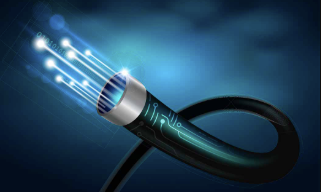
In today’s data-driven world, the demand for reliable, high-performance fiber optic infrastructure has never been higher. Among the essential components for robust network connectivity is the 24F double sheath armored cable. Designed to combine durability with high-capacity transmission, this cable is widely used in both urban and industrial environments where protection and performance are crucial.
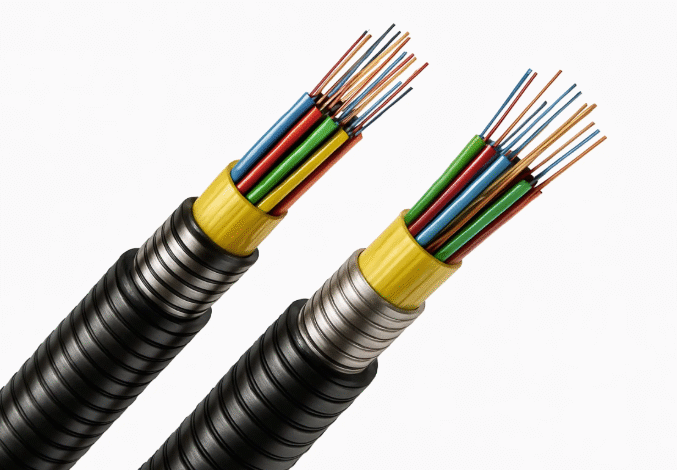
A 24F double sheath armored cable features 24 optical fibers enclosed within two protective layers. This design ensures that the fibers are well-protected against physical damage, moisture, and environmental stress, making it ideal for demanding applications such as outdoor installations, industrial facilities, and backbone network deployments.
Key Features of 24F Double Sheath Armored Cable
One of the primary advantages of the 24F double sheath armored cable is its robust protective design. The dual-layer sheath provides an added level of security against accidental impacts, rodents, and harsh environmental conditions. This ensures the longevity of the cable and the consistent transmission of high-speed data, even in challenging conditions.
In addition to its protective qualities, this cable offers significant flexibility in deployment. Its structure supports both aerial and direct-buried installations, allowing network planners to adapt to various environments without compromising performance. The inclusion of 24 optical fibers also enables high-density transmission, accommodating multiple data channels simultaneously and efficiently supporting bandwidth-intensive applications.
Another key feature is its excellent mechanical strength. The armored layer is specifically engineered to resist tensile stress, bending, and crushing forces, making it suitable for long-distance runs where durability is critical. Coupled with its double sheath design, the cable offers superior protection against moisture ingress and external contaminants, ensuring reliable operation over time.
Applications in Modern Networks
The 24F double sheath armored cable is widely employed in telecommunications, broadband networks, and enterprise data centers. Its high-capacity fiber count makes it ideal for backbone networks, connecting central offices, data centers, and distribution hubs. The robust armored design ensures these connections remain secure and reliable, even in harsh outdoor conditions.
In addition, this cable is often used in industrial settings where exposure to chemicals, mechanical stress, or extreme weather can compromise conventional fiber optic cables. By providing both protection and high-density fiber transmission, it helps maintain continuous connectivity for critical operations, including automated manufacturing, security systems, and smart infrastructure.
The cable is also compatible with FTTH (fiber-to-the-home) deployments, particularly in areas requiring underground or aerial installations. Its dual-sheath structure offers additional security, making it suitable for last-mile connections where environmental risks may be higher.
See also: Exploring the Future of Wearable Tech
Installation Considerations and Best Practices
To maximize the performance and longevity of a 24F double sheath armored cable, careful installation is essential. Technicians must follow recommended bend radius limits, tension specifications, and grounding requirements. Proper handling during installation prevents fiber damage, preserves signal integrity, and ensures the cable performs at its designed capacity.
Routine inspection and maintenance further enhance durability. Checking for signs of sheath wear, verifying secure attachments, and protecting entry points are crucial steps for maintaining optimal performance over time. These practices help guarantee uninterrupted high-speed connectivity, even in challenging conditions.
Conclusion
The 24F double sheath armored cable is a vital component in modern fiber optic networks, offering a balance of durability, flexibility, and high-density data transmission. Its dual-layer protective design ensures reliable operation in both outdoor and industrial environments, while the 24 fibers provide the capacity needed for high-speed, large-scale data networks.
By selecting and properly installing this cable, service providers and network planners can deliver robust, long-lasting connectivity for a variety of applications, from backbone networks and FTTH deployments to industrial systems. As data demands continue to grow, the 24F double sheath armored cable remains a dependable solution for secure and efficient fiber optic communication.