The Myth of the ‘Safe’ White Kitchen Choice
Most homeowners assume a white kitchen is the safest, most foolproof choice they can make. The thinking goes that white matches everything, photographs well for resale, and never goes out of style, so picking it removes the risk of a costly design mistake. That assumption holds up only on the surface.
Once you start layering white cabinets, white countertops, and white walls together, the margin for error actually grows rather than shrinks. A single off-tone white tile or a countertop with the wrong undertone can throw the entire room out of balance in a way that colored kitchens rarely experience. Contractors who have worked through dozens of renovations will tell you that monochrome schemes expose inconsistencies that busier palettes conveniently hide. The result is a design approach that looks simple on a mood board but demands far more precision once materials actually arrive on site.
What Renovation Projects Reveal About Getting the Palette Right
Homeowners who have gone through a full kitchen remodel tend to describe the same learning curve. They start with a general idea of white on white kitchen ideas pulled from a magazine or social feed, then quickly discover that there are dozens of distinct whites, each shifting depending on lighting, cabinet finish, and the materials sitting next to them. One of the more useful breakdowns of this comes from white on white kitchen ideas, which walks through how texture, hardware, and undertone work together instead of treating white as a single flat option. That kind of layered thinking is what separates a kitchen that feels designed from one that feels accidental.
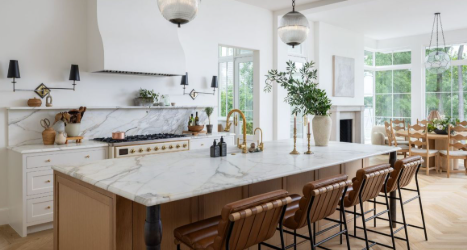
Designers who specialize in these spaces consistently point to texture as the variable that does the most work. Matte cabinet fronts next to a glossy quartz counter create depth even when the color reading is nearly identical. Natural wood flooring or open shelving breaks up what would otherwise be a flat expanse of white, giving the eye somewhere to rest. This pattern shows up across enough projects that it stops looking like a trend and starts looking like a genuine principle of the style.
There is also a practical safety dimension that rarely gets discussed alongside design choices. Any renovation involving cabinet demolition, countertop installation, or electrical rerouting carries real site hazards, and general contractors often reference OSHA construction safety resources when setting expectations for crews working in occupied homes. Homeowners planning a full gut renovation benefit from understanding those standards too, since it shapes timelines and which rooms stay accessible during the work.
Turning the Concept Into a Kitchen You Can Actually Live With
Translating these lessons into an actual renovation starts with sourcing physical samples rather than trusting a screen. Paint chips, cabinet door samples, and countertop slabs all read differently under a home’s actual lighting than they do in a showroom with carefully controlled bulbs. Bringing samples home and viewing them at different times of day, from morning light through evening lamp light, catches undertone problems before they become permanent. This single step prevents more disappointment than any other part of the planning process.
Hardware and fixtures deserve equal attention once the base palette is settled. Brushed brass, matte black, or aged bronze pulls against white cabinetry each send a different signal about whether the kitchen feels traditional, transitional, or modern. Skipping this decision or treating it as an afterthought tends to flatten a kitchen that otherwise has strong bones. Small choices in this category carry more visual weight than their size would suggest.
Finally, it helps to plan for how the space will age. White surfaces show wear differently depending on material, so quartz, painted wood, and natural stone each come with their own maintenance reality. Talking through durability with a contractor before finalizing materials saves homeowners from regret a few years down the line. A kitchen built this way tends to hold its appeal long after the initial renovation excitement fades, which is ultimately the point of investing in it at all.