As internet usage continues to evolve, simply bringing fiber to the doorstep is no longer enough. This is where fttr cable technology comes into play. Fiber To The Room (FTTR) takes connectivity a step further by extending fiber-optic networks inside homes and buildings, ensuring high-speed access in every corner.
With more devices relying on stable connections—from smart TVs to home offices—the limitations of traditional Wi-Fi and internal wiring are becoming more noticeable. FTTR offers a more consistent and efficient solution for modern households.
What Is FTTR and How Does It Work?
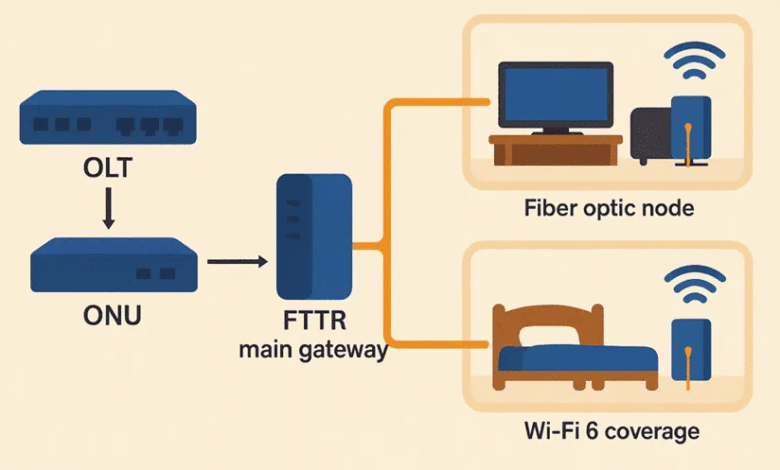
FTTR, or Fiber To The Room, builds on existing fiber infrastructure by distributing fiber-optic connections throughout individual rooms. Instead of relying on a single router or copper-based internal wiring, FTTR uses fiber cables to deliver data directly to multiple access points within a space.
An fttr cable is specifically designed for indoor deployment. It is lightweight, flexible, and capable of maintaining high performance even when routed through walls or ceilings. These cables connect a central optical network unit to smaller terminals placed in different rooms.
The result is a network that provides uniform coverage, reducing dead zones and improving overall connection quality.
Why FTTR Cable Is Gaining Attention
Benefits of FTTR Cable in Modern Homes
The increasing demand for seamless connectivity has made fttr cable solutions more relevant than ever. Traditional setups often struggle to deliver consistent speeds across larger homes or multi-story buildings. Signal interference, distance from the router, and physical barriers can all impact performance.
FTTR addresses these challenges by distributing fiber connections closer to the user. This leads to more stable speeds and lower latency, especially important for activities like video conferencing and online gaming.
Another advantage is scalability. As households add more connected devices, FTTR systems can accommodate the increased demand without significant drops in performance.
In addition, FTTR supports high-bandwidth applications such as 4K streaming and cloud-based services. This makes it a suitable choice for users who require reliable and fast internet throughout their living space.
Comparing FTTR With Traditional Home Networks
Most homes still rely on a central router connected via Ethernet or Wi-Fi. While this setup works for basic usage, it often falls short in delivering consistent performance across all areas.
Wi-Fi signals weaken over distance and can be disrupted by walls or other electronic devices. Ethernet cables, while more stable, are less flexible and can be difficult to install in existing structures.
FTTR offers a hybrid approach by combining the speed of fiber optics with strategic placement of access points. This ensures that each room receives a strong and stable connection, regardless of layout or size.
The difference becomes especially noticeable in larger homes, where maintaining consistent coverage can be a challenge with traditional methods.
See also: The Ultimate Guide to Ciclismo: Benefits, Techniques, Training & More
Installation and Practical Considerations
Implementing FTTR requires careful planning, particularly when it comes to cable routing and device placement. The flexibility of fttr cable makes installation easier compared to older fiber solutions, but it still benefits from professional setup.
The goal is to create a network that delivers balanced performance across all rooms. This involves positioning access points in areas where connectivity is most needed, such as workspaces, entertainment areas, and bedrooms.
While the initial setup may require investment, the long-term benefits in terms of reliability and performance often outweigh the costs.
Conclusion: The Future of Home Connectivity with FTTR Cable
As digital demands continue to grow, the need for consistent, high-speed connectivity within homes becomes increasingly important. FTTR cable technology offers a practical solution by extending fiber-optic performance to every room.
By reducing signal loss and improving coverage, FTTR creates a more reliable network environment for modern living. Whether for work, entertainment, or smart home integration, it represents a forward-looking approach to home connectivity that aligns with the needs of today’s users.