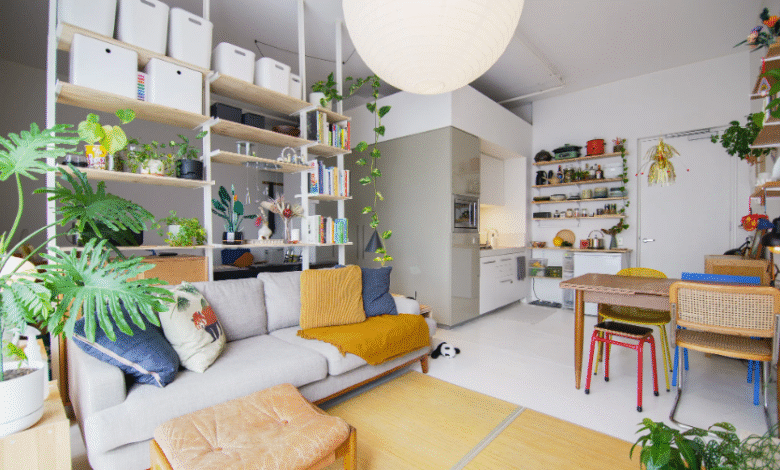
People often begin house design in Melbourne with images.
Screenshots. Saved posts. A folder called “Dream Home” that grows quietly over time.
Nothing wrong with that. Inspiration matters.
But the houses that actually work. The ones that feel comfortable six winters later. They usually start somewhere less glamorous. Standing on the block and looking around, feeling the wind direction, and watching where the sun lands at 3 pm.
That is where house design in Melbourne tends to get real.
Melbourne Is Not One Place, Design-Wise
It is easy to talk about Melbourne as if it were one environment. It is not.
Inner north streets behave differently from outer growth corridors. Bayside blocks catch light in their own way. Western suburbs face lingering heat. Eastern pockets bring slope, trees, and overlays into the mix.
This is why experienced designers say house design in Melbourne changes from suburb to suburb. Same brief. Same budget. Completely different outcome.
And that difference usually starts with the land.
The Block Tells You More Than The Brief Does
People arrive with big ideas. Open plan living. Big windows. Indoor-outdoor flow. All reasonable.
Then the block steps in.
Orientation determines where living spaces should be placed. Setbacks determine how wide the house can be. Neighbours decide where privacy matters more than glass.
Good House Design in Melbourne listens to the block before committing to a plan. Sometimes that means letting go of a favourite idea, reshaping it, or parking it for another project.
That adjustment phase can feel uncomfortable. It is also where good design quietly happens.
Climate Is Not Just A Background Detail
Melbourne weather has opinions. Four seasons in a day is not a joke. It shapes how homes feel.
Winter light matters. Summer heat lingers. Cold winds cut through poorly planned spaces.
This is why house design in Melbourne emphasizes orientation, shading, insulation, and airflow. Not in a technical way for most homeowners. More like practical decisions that show up later.
A living room that warms itself in winter. Bedrooms that do not bake in January. Hallways that do not feel like wind tunnels.
Small choices. Big difference.
Floor Plans That Look Good Do Not Always Live Well
A floor plan can look perfect on paper and still fail in daily life.
Long corridors waste space. Oversized rooms steal budget. Kitchens that photograph well sometimes function poorly.
In Melbourne, in-house designers test layouts against real routines. Morning traffic through the house. Kids dropping bags. Laundry access. Noise movement.
It is not glamorous work. It is necessary.
And this is often where polished design ideas get softened and slightly reshaped, made more human.
See also: Exploring the Evolution of Smart Home Technology
Councils Quietly Shape Everything
Planning controls rarely show up on mood boards. But they drive many design decisions.
Height limits. Overlays. Site coverage. Private open space requirements. These are not optional.
Good House Design in Melbourne works with councils rather than fighting them. Designs that comply with regulations move faster. Cost less. Cause fewer headaches.
Ignoring this reality early usually leads to redesigns later. And redesigns are rarely cheap.
Narrow Blocks And Creative Thinking
Melbourne has plenty of narrow lots. Especially in established areas.
Designing well on these sites is about balance. Light without overlooking. Space without crowding. Privacy without closing everything off.
This is where house design in Melbourne becomes more thoughtful. Vertical planning. Split levels. Clever storage. Rooms that flex.
Not flashy. Just well considered.
Sustainability Without The Sales Pitch
Sustainable design does not need to shout.
In Melbourne, it often shows up quietly. Orientation that reduces heating needs. Cross ventilation. Thoughtful material choices.
Good House Design in Melbourne integrates sustainability into the base layout, not as an add-on later. This keeps costs sensible and performance consistent.
It also means the house feels better to live in, not just better on paper.
Designing For Change, Not Just Now
Life shifts. Kids grow. Work patterns change. Parents move in. Or out.
Smart House Design in Melbourne leaves room for adaptation. A study that becomes a bedroom. A living zone that separates later. A ground-floor layout that supports aging in place.
These decisions rarely feel urgent during the design phase. They feel very wise later.
Builders Matter More Than People Expect
Design does not end with drawings.
Builders interpret plans. Solve problems. Make daily decisions that affect outcomes.
Good House Design in Melbourne considers buildability early. Materials that can actually be sourced. Details that make sense on site. Designs that respect budgets.
This collaboration saves stress—and often money.
Budget Is Not The Enemy Of Good Design
Budget shapes design. It always has.
The myth is that good design costs more. In reality, unclear design costs more.
Clear priorities. Honest conversations. Trade-offs made early.
This is how house design in Melbourne stays grounded. You decide what matters most. Space. Light. Materials. Longevity. The design follows that hierarchy.
Not every feature cuts. The important ones usually do.
Indoor-Outdoor Living, Melbourne Style
Outdoor spaces in Melbourne need protection. From wind. From heat. From the sudden rain.
Designing alfresco areas that are actually used requires restraint. Orientation. Cover. Connection to living zones.
Good House Design in Melbourne treats outdoor areas as rooms, not accessories. Sized properly. Sheltered properly and positioned with intent.
This is why some backyards feel empty while others become the heart of the home.
The Emotional Side Of Design
Design is technical. It is also personal.
People project hopes onto their homes. Security. Pride. Comfort. Identity.
Good designers in Melbourne recognise this without overindulging it. They listen. Translate—ground ideas in reality.
This balance defines strong house design in Melbourne. Human enough to feel personal. Practical enough to last.
Final Thoughts, Quietly Said
Good houses do not shout. They settle in.
They respond to their blocks. Respect their climate. Support daily life without demanding attention.
In Melbourne, where conditions shift and expectations are high, good design starts with observation. Not trends.
If there is one truth about house design in Melbourne from Shri Homes, it is this. The homes that age best are those designed with care. And a willingness to let the block lead the conversation.