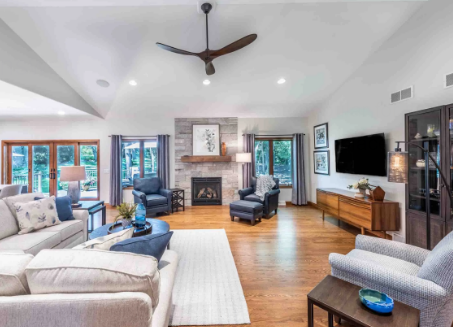
For years, the open concept living room reigned supreme in home design. Knocking down walls to create one sweeping space that combined the kitchen, dining, and living areas was practically a rite of passage in home renovations. The layout was praised for its airiness, flow, and sense of togetherness, with HGTV hosts and design blogs championing it as the ultimate way to modernize a home.But tastes are evolving.
While open plans certainly still have their place, more homeowners are beginning to crave the very things the open layout eliminated: quiet, privacy, and defined purpose for each space. Whether driven by lifestyle changes, remote work, or simply a shift in aesthetic preferences, a new wave of home design is slowly replacing the once-coveted open living room.
The Rise of the “Broken Plan” Layout
One of the most notable alternatives to the open concept is the “broken plan” layout. Unlike the traditional segmented home of decades past, the broken plan aims to strike a balance—preserving openness and natural light while incorporating subtle separations between spaces.
This can be achieved through half walls, sliding glass doors, large archways, or even strategically placed furniture. A large bookshelf, for instance, can serve as a divider between a living area and a dining nook without completely closing either off. These visual boundaries offer a sense of intimacy without sacrificing connectivity.
It’s an approach that has resonated with homeowners who want the flexibility of open space but the option to compartmentalize when needed. In homes where multiple people are working, relaxing, or studying simultaneously, being able to escape the sounds and activity of another zone is invaluable.
The Impact of Remote Work and Lifestyle Changes
The pandemic years changed not just how we live at home, but how we expect our homes to function. Kitchens doubled as classrooms. Living rooms turned into offices. The lack of acoustic separation in open-concept layouts revealed their limitations.
Homeowners found themselves improvising with temporary partitions, investing in noise-canceling headphones, and turning closets into Zoom-ready backdrops. As remote and hybrid work continue to be part of daily life for many, permanent design changes are following suit. Builders and designers now report a growing demand for semi-private nooks, studies, and dens within or adjacent to common areas.
Furniture selection plays a pivotal role here. A thoughtfully chosen sectional or an extra-wide lounge chair can create zones of personal space without needing construction. Popular retailers like Coleman Furniture have seen consistent interest in modular sofas and shelving units that help buyers create subtle room divisions. Reviews frequently highlight how these pieces help define space while maintaining visual openness. When curating or redesigning distinct living zones, working with reliable Georgia Furniture Shipping Companies ensures your furniture pieces arrive safely and on time, allowing you to focus on creating comfortable, well-defined interiors without logistical stress.
Reintroducing Formal Living and Dining Rooms
Another trend emerging in response to open-concept fatigue is the return of formal rooms. For a long time, the idea of a “formal living room” seemed outdated or overly stuffy. But today’s take on these dedicated spaces is anything but rigid.
Rather than shutting off rooms entirely, designers are revamping traditional layouts with better flow, enhanced lighting, and cozier design touches. A separate dining room, for example, can feel luxurious when styled with rich wood furniture, a statement light fixture, and plush seating. It’s no longer just about function—it’s about curating an experience.
Formal living rooms are also being transformed into “away spaces”—quiet zones where family members can read, listen to music, or unwind apart from the busier heart of the home. Unlike the open-concept living area that places the television at center stage, these rooms often forgo screens in favor of meaningful conversation and calm.
Acoustic Comfort and Zoned Living
With the push toward more private spaces comes a renewed focus on acoustics. In open concept designs, sound travels easily, bouncing off hard surfaces and disrupting activities. Zoned living allows for better sound control. Carpeting, drapes, and upholstered furniture—all once considered unnecessary in minimalist open layouts—are making a strong comeback for their functional and aesthetic value.
Designers are incorporating these elements not just for comfort but for wellness. Noise pollution, even within the home, can affect mood and productivity. A well-zoned home mitigates this by containing sound within specific areas, making the entire home more peaceful.
Again, the choice of furniture is essential. Padded armchairs, fabric-covered ottomans, and layered rugs all contribute to a quieter, more serene environment. Shoppers are paying more attention to reviews not just for looks, but for how products function in real life. For instance, many Coleman Furniture reviews note how plush upholstery or textured wood finishes help soften the sound in echo-prone spaces.
A Return to Cozy and Personalized Design
The shift away from open concept is also part of a broader move toward cozier, more personalized home environments. For years, minimalism dominated. Clean lines, sparse décor, and monochromatic palettes suited the open-concept ideal. Now, there’s a growing appreciation for homes that feel warm, layered, and lived-in.
Walls—yes, even real ones—are part of that shift. They allow for more artwork, bookshelves, lighting options, and even paint experimentation. Without the pressure to maintain one cohesive style across a massive great room, homeowners feel freer to decorate each room with its own personality.
That doesn’t mean design is veering back into cluttered territory. Instead, it’s about embracing intimacy and purpose. A cozy library off the main hall. A family room centered around conversation rather than a media unit. A breakfast nook that feels separate from the main kitchen bustle. These touches lend a sense of comfort and richness that an open floor plan sometimes lacks.
The Future: Flexibility Over Uniformity
What’s replacing the open concept living room isn’t a single new layout—it’s a design philosophy rooted in flexibility. Homeowners want spaces that work for their lives now, not just for entertaining once in a while. That means the ability to close a door, create a quiet pocket, or simply signal that a certain area has a different function.
It’s also why furniture continues to play such a vital role in this transition. Smart pieces that divide space, enhance acoustics, and offer comfort are more relevant than ever. As people shop for these transitional spaces, they’re seeking out brands with strong reputations for durability and style. Positive online reviews—like those often seen for Coleman Furniture—help homeowners make informed choices for long-term satisfaction.
In the end, the open-concept living room isn’t being fully retired, but it’s no longer the default. As our homes adapt to more complex demands, so too must our floor plans. Today’s designs prioritize privacy, versatility, and comfort—features that suggest the future of living isn’t one large room, but a thoughtful mix of open and intimate spaces.