A jump start can feel like an instant solution when a car won’t start. The engine turns over, the dashboard lights up, and everything seems normal again. However, many Houston drivers are surprised when the same problem returns shortly after. This happens because jump starts address symptoms, not underlying causes.
What a Jump Start Actually Does
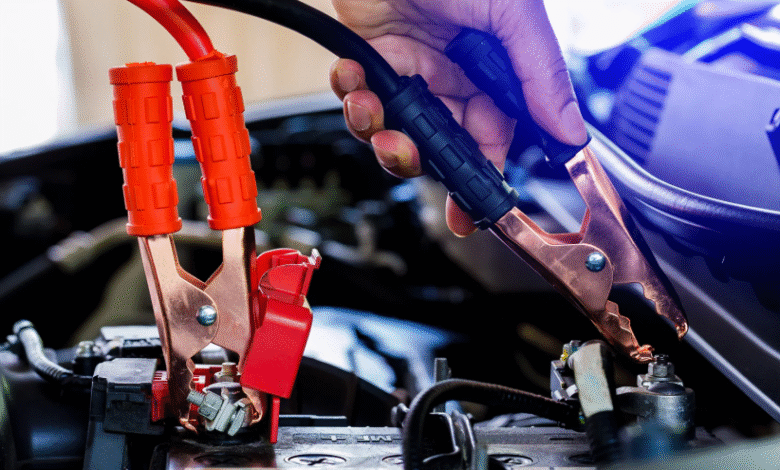
A jump start supplies external power to the vehicle, allowing the engine to start. Once running, the alternator takes over and begins supplying electricity to the car’s systems while recharging the battery. If the battery is healthy, it will retain that charge.
However, if the battery is worn or damaged, it cannot store energy effectively. The jump start provides only a temporary boost, not a repair.
Heat and Battery Wear in Houston
Houston’s climate plays a significant role in why jump starts often don’t last. High temperatures speed up internal battery degradation, reducing lifespan and storage capacity. Over time, the battery loses its ability to hold a full charge—even if it starts temporarily after a jump.
Short driving trips make the problem worse. The alternator needs time to recharge the battery fully, and frequent short trips don’t allow this to happen.
Signs a Jump Start Won’t Solve the Problem
Drivers should be cautious if they notice:
- The vehicle won’t restart after being turned off
- The battery dies again within hours or days
- Electrical features stop working properly
These signs suggest the battery is no longer reliable. In such cases, relying on Jump Start Car Houston repeatedly only delays the inevitable.
See also: Exploring the Future of Green Technology
Why Repeated Jump Starts Can Cause More Issues
Frequent jump starts place additional strain on the battery and charging system. Over time, this stress can affect the alternator and other electrical components, potentially leading to more costly repairs.
While Jump Start Car Houston services are valuable for immediate assistance, they are best viewed as a short-term measure. When jump starts become routine, it’s usually a signal that the battery’s useful life is coming to an end.
Understanding this distinction helps drivers avoid frustration and make informed decisions about their vehicle’s electrical health.