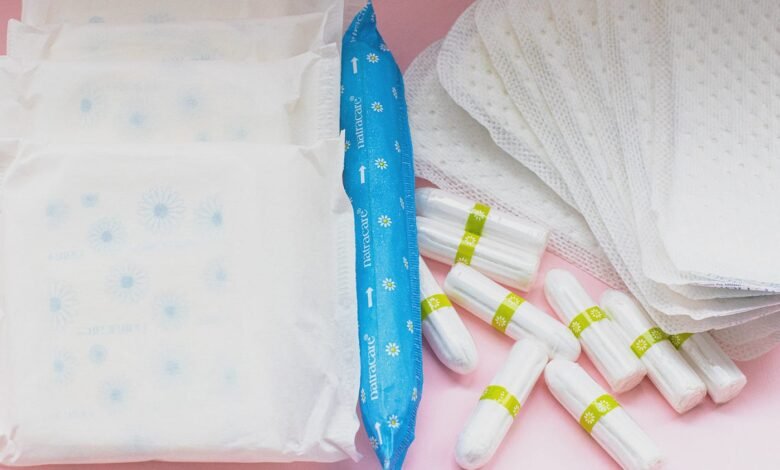
In recent years, conversations around sustainability, health, and environmental responsibility have taken center stage in nearly every industry. From what we eat to what we wear, people are becoming more mindful of their choices and their impact on the planet. Among these important shifts lies a revolution in personal care products—specifically in the world of organic sanitary napkins.
These eco-friendly alternatives to conventional pads are not just a trend; they represent a growing awareness among women who seek healthier, more sustainable menstrual care options. As women prioritize wellness, comfort, and environmental responsibility, these napkins have quickly emerged as the preferred choice for a cleaner, greener period.
Understanding the Need for Change
Traditional menstrual products, such as regular sanitary napkins, have long been the standard choice for women across the world. However, the hidden environmental and health costs associated with them are alarming. Many of these products contain plastics, synthetic fibers, and chemical-based fragrances that are harmful both to the body and the planet.
A single non-biodegradable pad can take up to 500–800 years to decompose. Considering the billions of pads discarded globally each year, the ecological impact is immense. Moreover, exposure to chemical additives like dioxins, chlorine, and artificial fragrances can lead to skin irritation, allergies, and even long-term health concerns.
This growing awareness has pushed many consumers to seek safer and greener alternatives—thus giving rise to these napkins.
What Are Organic Sanitary Napkins?
Organic sanitary napkins are menstrual pads made primarily from natural and biodegradable materials such as certified organic cotton, bamboo fiber, and cornstarch-based bioplastics. These pads are free from harmful chemicals, bleaches, or fragrances, ensuring a safer and more comfortable experience for users.
Unlike conventional pads that use rayon or plastic layers, organic options rely on materials that are gentle on the skin and fully compostable. This not only reduces the risk of irritation or allergic reactions but also minimizes landfill waste.
In short, they are designed to protect both women’s health and the Earth’s well-being—an ideal fusion of sustainability and comfort.
The Environmental Benefits of Organic Sanitary Napkins
The environmental impact of organic sanitary napkins cannot be overstated. These products are crafted with the planet in mind, using renewable resources and biodegradable materials. Here’s how they make a real difference:
1. Reduced Plastic Waste
Traditional napkins are composed of up to 90% plastic. On the other hand, organic options drastically reduce or eliminate plastic components altogether, allowing them to decompose naturally without leaving microplastics behind.
2. Lower Carbon Footprint
The manufacturing of synthetic pads often involves energy-intensive processes and the use of non-renewable resources. In contrast, organic pad production emphasizes sustainable farming, minimal processing, and eco-friendly packaging—all of which contribute to a smaller carbon footprint.
3. Biodegradability
One of the standout features of organic sanitary napkins is their biodegradability. Most can break down within a few months under composting conditions, returning valuable nutrients to the soil instead of clogging landfills.
4. Chemical-Free Processing
Organic products avoid the use of chlorine bleaching and harsh chemicals. This not only protects users from exposure to toxins but also prevents harmful byproducts from entering the ecosystem.
Health Benefits for Women
While sustainability is a strong motivator, many women switch to these sanitary napkins for their health benefits. Conventional pads may cause itching, rashes, and discomfort due to synthetic materials and fragrances. Organic pads, made from breathable and natural fibers, offer several advantages:
1. Gentle on Sensitive Skin
Organic cotton and bamboo fibers are soft, hypoallergenic, and free of irritants. This helps prevent skin sensitivity and inflammation during menstruation.
2. Improved Breathability
Because organic materials allow better air circulation, they reduce moisture buildup and bacterial growth—keeping users fresh and comfortable throughout the day.
3. No Synthetic Additives
Free from artificial scents, dyes, and chemicals, these pads ensure that only pure and safe materials come into contact with your skin.
4. Comfort and Absorbency
Modern napkins are designed to perform just as well—if not better—than regular pads. They provide reliable protection, high absorbency, and leak resistance while maintaining comfort and softness.
Challenges in Adoption
Despite their clear benefits, organic sanitary napkins still face certain challenges. The biggest barriers are price and availability. Organic products often cost slightly more than conventional pads due to higher-quality raw materials and ethical manufacturing processes.
Additionally, awareness remains limited in some regions, and many consumers are yet to understand the long-term health and environmental advantages of switching to organic options. However, as demand increases and economies of scale improve, prices are expected to become more competitive.
The Future of Menstrual Care
The movement toward napkins represents more than just a market shift—it’s a reflection of a cultural change. Menstruation, once considered a taboo topic, is now at the heart of conversations about sustainability, health, and empowerment.
As women continue to seek transparency and eco-conscious alternatives, brands are responding with innovation. The future may bring compostable applicators, reusable hybrids, and even smart materials that track menstrual health metrics—all while staying sustainable.
In addition, governments and NGOs are beginning to support green menstrual products through awareness campaigns and subsidies. These initiatives will make eco-friendly menstrual care more accessible to everyone, bridging the gap between affordability and sustainability.
How to Make the Switch
If you’re considering switching to organic sanitary napkins, here are a few practical tips:
- Start Gradually: Try one brand or type at a time to see which fits your comfort level.
- Read Labels Carefully: Look for certifications such as GOTS (Global Organic Textile Standard) or USDA Organic.
- Dispose Responsibly: Even though organic pads are biodegradable, they should be composted properly for maximum environmental benefit.
- Educate Others: Share your experience with friends, family, or online communities to spread awareness about the benefits of sustainable menstrual care.
Switching to organic pads is not only a personal health choice—it’s a statement of environmental responsibility and empowerment.
Conclusion: A Cleaner Future Starts with a Single Choice
The rise of organic sanitary napkins is more than a fleeting trend—it’s a revolution rooted in sustainability, health, and conscious living. By choosing organic options, women contribute to reducing pollution, promoting ethical manufacturing, and protecting their bodies from unnecessary chemicals.
The journey toward a greener planet begins with everyday decisions. Something as small as choosing an eco-friendly pad can make a significant impact. So, go green, stay clean, and be part of the change—because every period deserves purity and care.