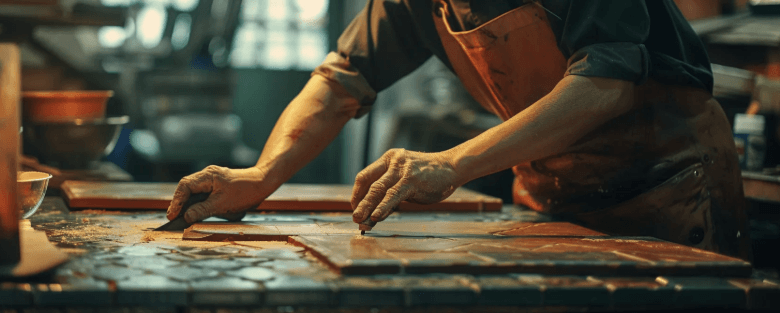
The debate between terracotta tile and ceramic tile often focuses on aesthetics and durability, but a critical aspect that is gaining attention is sustainability. In the realm of Interior Design and Home Improvement, sustainable sourcing and eco-friendly materials are becoming key considerations. This article examines the sustainability factor of terracotta and ceramic tiles, analyzing their environmental impact, production processes, longevity, and recycling capabilities. By the end, we aim to provide insights into which material offers a greener footprint for your projects.
Terracotta Tile vs Ceramic: Environmental Impact
When evaluating the environmental impact of terracotta and ceramic tiles, a key factor is the raw materials used. Terracotta tiles, often favored for their rustic appearance, are made from natural clay, which is abundant and requires minimal processing. This results in a lower carbon footprint compared to ceramic tiles, which may include synthetic additives. Studies show that terracotta tiles can reduce greenhouse gas emissions by up to 30% during the manufacturing process compared to ceramics.
Ceramic tiles, on the other hand, benefit from advanced CAD technology during the design phase, allowing for precise space planning and reduced material waste. However, the firing process for ceramics generally consumes more energy, which can negate some of these efficiencies. The overall environmental impact thus hinges on the specifics of the production and installation processes.
In terms of sustainable sourcing, terracotta tile offers a more environmentally friendly option, particularly when sourced from manufacturers that prioritize terracotta tile with minimal environmental impact. For those prioritizing eco-friendly choices, terracotta often emerges as the greener option.
Production Processes of Terracotta and Ceramic Tiles
The production processes for terracotta and ceramic tiles differ significantly, impacting their sustainability. Terracotta tiles are crafted through a relatively simple process involving shaping and firing natural clay, often at lower temperatures. This simplicity allows for reduced energy consumption and aligns well with sustainable sourcing practices.
Conversely, ceramic tiles undergo a more complex production process. The inclusion of advanced technologies such as BIM (Building Information Modeling) and Gantt Chart planning facilitates efficient production timelines. These technologies help optimize the production workflow, reducing waste but often at the expense of higher energy consumption due to multiple firing stages.
Furthermore, innovations in FF&E (Furniture, Fixtures, and Equipment) integration during the ceramic tile production process can enhance the aesthetic functionality of spaces, although this may come with an environmental cost. Industry professionals must weigh these factors against sustainability goals to determine the best fit for their projects.
Longevity and Lifecycle Analysis of Tiles
Longevity is a crucial sustainability metric, as longer-lasting materials reduce the need for frequent replacements. Terracotta tiles are renowned for their durability and ability to withstand various environmental conditions, making them a sustainable choice for hardscaping and other outdoor applications.
Ceramic tiles, while also durable, offer enhanced versatility in design, allowing for intricate mood board creations that can align with specific aesthetic requirements. Their lifecycle often extends with proper maintenance, but the initial environmental cost is higher due to production intricacies.
The design development phase should consider lifecycle analysis to ensure the chosen tile type aligns with long-term sustainability objectives. Both terracotta and ceramic tiles can contribute to environmentally conscious projects if selected and maintained appropriately.
See also: Advanced Web Framework 907637483 for Businesses
Recycling and Waste Management in Tile Manufacturing
Recycling and waste management practices play a pivotal role in the sustainability of tile materials. Terracotta tiles, composed of natural clay, are inherently easier to recycle, returning to the earth without harmful residues. This property supports effective waste management strategies within the industry.
Ceramic tiles, although more challenging to recycle, have seen advancements through the use of acoustical treatment technologies that enable repurposing for insulation and soundproofing applications. This underscores the potential for ceramics to contribute positively to sustainable construction practices.
Efforts to improve recycling processes within the tile industry are ongoing, with zoning compliance regulations increasingly encouraging manufacturers to adopt greener waste management practices. These initiatives are critical to enhancing the overall sustainability of both terracotta and ceramic tiles.
Conclusion

Understanding the sustainability factor of terracotta and ceramic tiles involves analyzing their environmental impact, production processes, longevity, and recycling capabilities. For interior designers and home improvement professionals focused on creating eco-friendly spaces, terracotta tiles often present a more sustainable option, especially when sourced responsibly. As sustainability continues to shape industry standards, making informed choices in tile selection will be essential for achieving both aesthetic and environmental objectives in projects.