In today’s high-speed networking environments, even the smallest tools can make a significant difference. The MPO loopback is one such component that plays a crucial role in ensuring reliable fiber optic performance. It is commonly used to test and verify multi-fiber connections, especially in data centers where accuracy and uptime are critical.
An MPO loopback works by redirecting transmitted signals back to the receiving end within the same connector. This simple mechanism allows network engineers to check whether a port or transceiver is functioning properly without needing additional equipment. As networks continue to scale, this straightforward testing approach becomes increasingly valuable.
Why MPO Loopback Is Essential for Network Validation
When dealing with complex fiber infrastructure, identifying faults quickly can save both time and resources. MPO loopback devices simplify this process by creating a closed circuit for signal testing. If the signal returns successfully, it confirms that the connection path is intact.
This type of validation is particularly useful during installation. Before a network goes live, technicians can use loopback testing to confirm that all ports and modules are working correctly. It reduces uncertainty and helps ensure that the system performs as expected from day one.
Another important use case is in ongoing diagnostics. When network performance drops or errors occur, loopback testing can help isolate the issue. Instead of troubleshooting the entire system, engineers can focus on specific components, making the process more efficient.
Supporting High-Speed and High-Density Connectivity
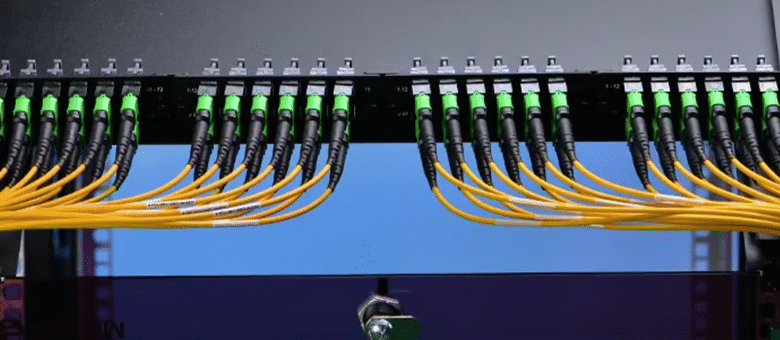
Modern networks are built to handle massive amounts of data, often relying on parallel fiber connections. MPO connectors are designed to support multiple fibers in a single interface, which makes them ideal for high-density environments.
MPO loopback tools are designed to match this structure. They can test multiple channels simultaneously, providing a comprehensive view of connection performance. This is especially important for high-speed applications such as 40G, 100G, and beyond, where even minor signal issues can impact overall performance.
As data demands continue to grow, maintaining signal integrity becomes more challenging. Loopback testing offers a reliable way to confirm that connections meet required standards without introducing unnecessary complexity.
See also: Exploring the Future of Wearable Tech
Practical Use in Maintenance and Troubleshooting
Routine checks are a key part of maintaining any fiber network. MPO loopback devices make it easier to perform these checks without disrupting normal operations. Technicians can quickly test ports during scheduled maintenance, ensuring that everything remains in optimal condition.
They are also useful when replacing or upgrading equipment. Before integrating new hardware into an existing system, loopback testing can confirm compatibility and functionality. This helps prevent unexpected issues after deployment.
In troubleshooting scenarios, the ability to isolate faults is particularly valuable. Whether the issue lies in the transceiver, the cable, or the port itself, loopback testing provides a clear starting point for diagnosis.
Choosing and Handling MPO Loopback Devices
Selecting the right loopback device involves more than just matching connector types. Factors such as polarity, fiber count, and alignment must be considered to ensure accurate results. Using a mismatched loopback can lead to confusion rather than clarity.
Handling practices also play an important role. Fiber connectors are sensitive to dust and contamination, which can interfere with signal transmission. Keeping loopback devices clean and properly stored helps maintain their effectiveness over time.
Durability is another consideration. Since these tools are used repeatedly, they should be able to withstand regular handling without compromising performance.
Conclusion
The MPO loopback is a small but essential component in the world of fiber optic networking. By enabling quick and reliable testing, it helps ensure that complex systems operate smoothly and efficiently.
From initial deployment to routine maintenance, MPO loopback devices provide a practical solution for validating high-speed connections. As network demands continue to evolve, their role in maintaining performance and reliability will remain just as important as ever.