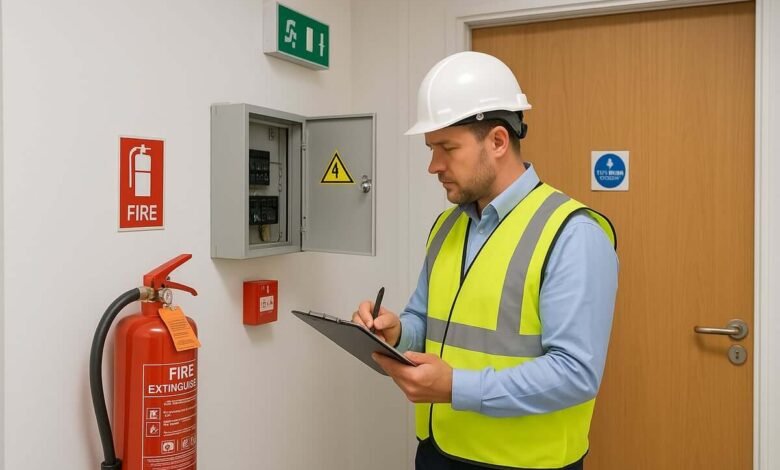
Fire risk assessment is a key responsibility for employers in any workplace. Employers are legally and morally obligated to provide a safe working environment for their employees, visitors, and contractors. By following fire risk assessment best practices, employers can reduce the likelihood of fire incidents, protect lives, and ensure business continuity.
Understanding Employer Responsibilities
Employers are responsible for identifying fire risks in the workplace and taking appropriate action to control them. This responsibility applies to offices, factories, shops, warehouses, and all other work environments.
A suitable and sufficient fire risk assessment helps employers understand potential hazards and demonstrates a commitment to workplace safety.
Appointing a Competent Person
One of the best practices for employers is appointing a competent person to carry out the fire risk assessment. This may be an internal staff member with proper training or an external fire safety professional.
A competent assessor has the knowledge and experience needed to identify hazards accurately and recommend effective control measures.
Identifying Fire Hazards in the Workplace
Employers should ensure that all fire hazards are properly identified. Common ignition sources include electrical equipment, machinery, heating systems, and hot work activities.
Fuel sources such as paper, packaging, chemicals, furniture, and waste materials should also be considered. Understanding how these hazards interact is essential for effective fire prevention.
See also: Exploring the Evolution of Smart Home Technology
Identifying Employees and Others at Risk
Fire risk assessment must consider everyone who may be affected by a fire. This includes employees, temporary workers, contractors, visitors, and members of the public.
Special consideration should be given to individuals who may need extra assistance during evacuation, such as people with disabilities or those working in isolated areas.
Implementing Fire Prevention Measures
Fire prevention is the most effective way to reduce risk. Employers should ensure that electrical systems are maintained, equipment is regularly serviced, and unsafe work practices are eliminated.
Good housekeeping is also essential. Keeping work areas tidy and ensuring flammable materials are stored safely can significantly reduce fire hazards.
Installing and Maintaining Fire Safety Systems
Fire detection and alarm systems are critical for early warning. Employers should ensure that alarms are appropriate for the workplace and tested regularly.
Fire extinguishers, emergency lighting, and fire doors should be correctly installed and maintained. These systems help control fires and support safe evacuation.
Providing Clear Escape Routes and Evacuation Plans
Employers must ensure that escape routes are clearly marked, well-lit, and free from obstructions. Emergency exits should be sufficient for the number of occupants and the layout of the building.
Evacuation plans should be simple, clear, and communicated to all employees. Regular fire drills help test the effectiveness of these plans.
Training Employees in Fire Safety
Employee training is a vital best practice. Employers should provide fire safety training that explains fire risks, prevention measures, and emergency procedures.
Fire wardens or marshals should receive additional training to support evacuation and emergency response during incidents.
Recording Findings and Creating an Action Plan
Employers should document the findings of the fire risk assessment and create a clear action plan. This plan should outline what needs to be done, who is responsible, and when actions will be completed.
Keeping records demonstrates compliance and helps track progress in improving fire safety.
Reviewing and Updating Fire Risk Assessments
Fire risk assessment is not a one-time activity. Employers should review assessments regularly, especially after changes such as new equipment, layout modifications, or staffing changes.
Regular reviews ensure that fire safety measures remain effective and relevant.
Benefits of Following Fire Risk Assessment Best Practices
By following best practices, employers reduce the risk of fire incidents, protect employees, and avoid legal penalties. Effective fire risk assessment also supports productivity by minimizing disruptions and creating a safer workplace.
Conclusion
Fire risk assessment best practices for employers focus on proactive prevention, clear planning, and ongoing improvement. By appointing competent assessors, identifying hazards, implementing control measures, training employees, and reviewing assessments regularly, employers can create a safer working environment. A strong fire risk assessment process not only ensures legal compliance but also demonstrates a genuine commitment to employee safety and organizational responsibility.
Agar aap chahen to main: